When a Founder Steps Aside: The Unspoken Truth About Leadership
“We started to fracture. We had problems. We weren't operating effectively.”
At the LSI USA ‘25 event in Dana Point, CA, a group of prominent healthcare and medical technology leaders discussed one of the industry's most sensitive topics: a founder stepping down as CEO. The discussion, titled "Founder ≠ CEO," wasn't meant to downplay the incredible work of founders. Instead, it was an open conversation about the difficult truth that the person who starts a company may not be the right person to lead it as it grows.
As the moderator, a founder himself, explained, "The reality is the needs of the company might over time change, and as a result your role might change." This wasn’t a judgment on the individual but a recognition of how a company's demands evolve. The panel’s diverse experiences—as founders who made the change, new CEOs who took over, and board members who saw it happen—provided a complete look at this complex issue.

LSI USA ‘25: Founder ≠ CEO
The Challenge of Scale
The panelists pointed out how a founder’s strengths, like their vision and passion, can become limitations as a company gets bigger. A seasoned venture investor shared his experience at a large medical device company, where a founder's strengths became insufficient as the company grew from a small company to a massive, billion-dollar one. He observed that as the company grew, "we started to fracture. We had problems. We weren't operating effectively." A visionary founder might not be focused on the "deep operating experience" needed to handle day-to-day issues like manufacturing problems and product recalls that become common at a larger scale. For the investor, the message was clear: "When the problems become so numerous that they're taking over for your ability to focus on growth, then you realize, you know what, we need help."
Similarly, a veteran medical technology executive spoke about taking over as CEO of a public company from its founder. While the founder had a great vision for the product, the company itself "shouldn't have been public." The founder’s leadership wasn't suited to the demands of a public company, such as constant financial reporting and the market's negative reaction to restructuring. His experience shows that the skills needed to innovate and launch a product are often different from those needed to manage the complexities of a large or public company.
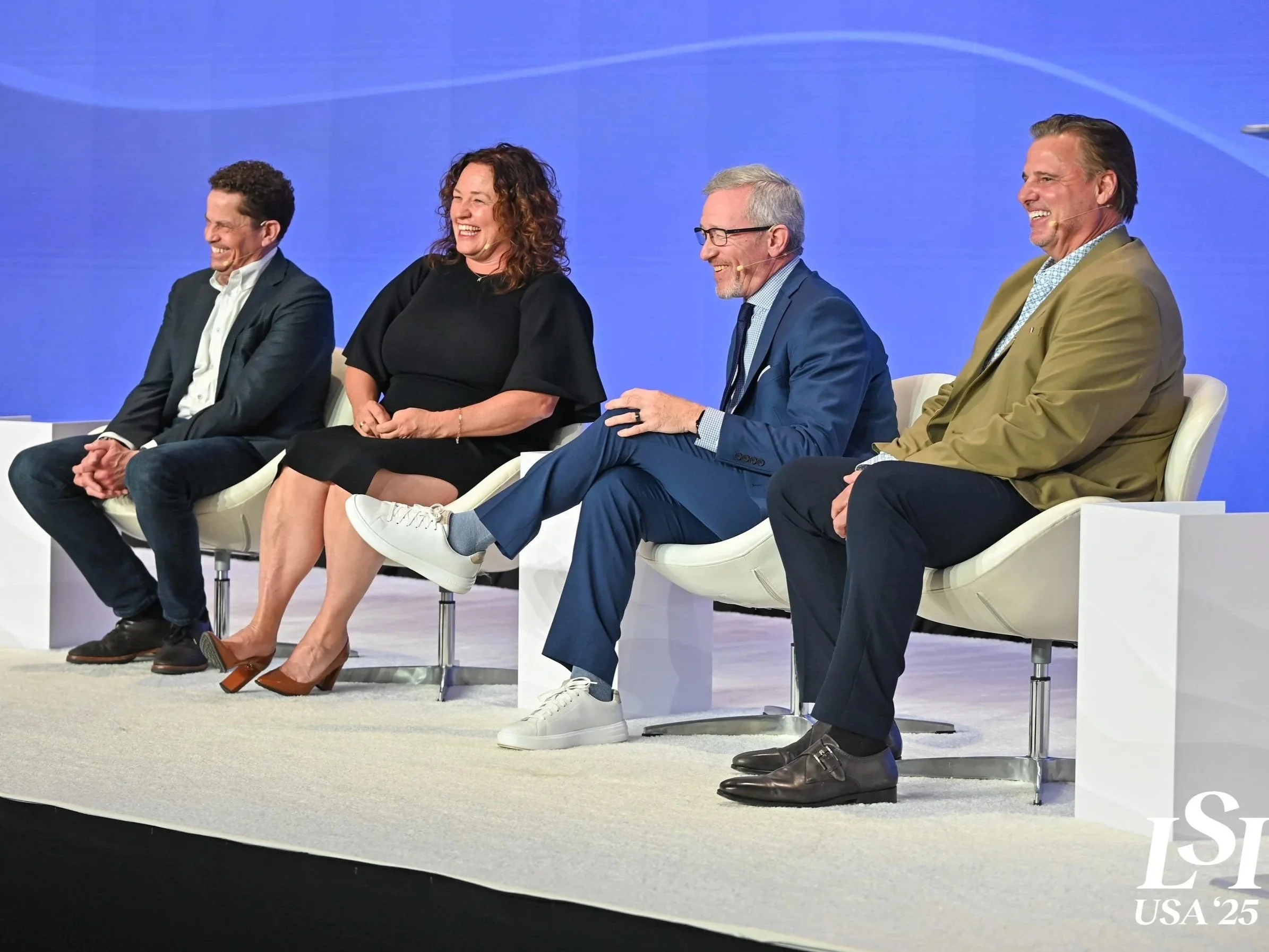
Panelists for “Founder ≠ CEO”
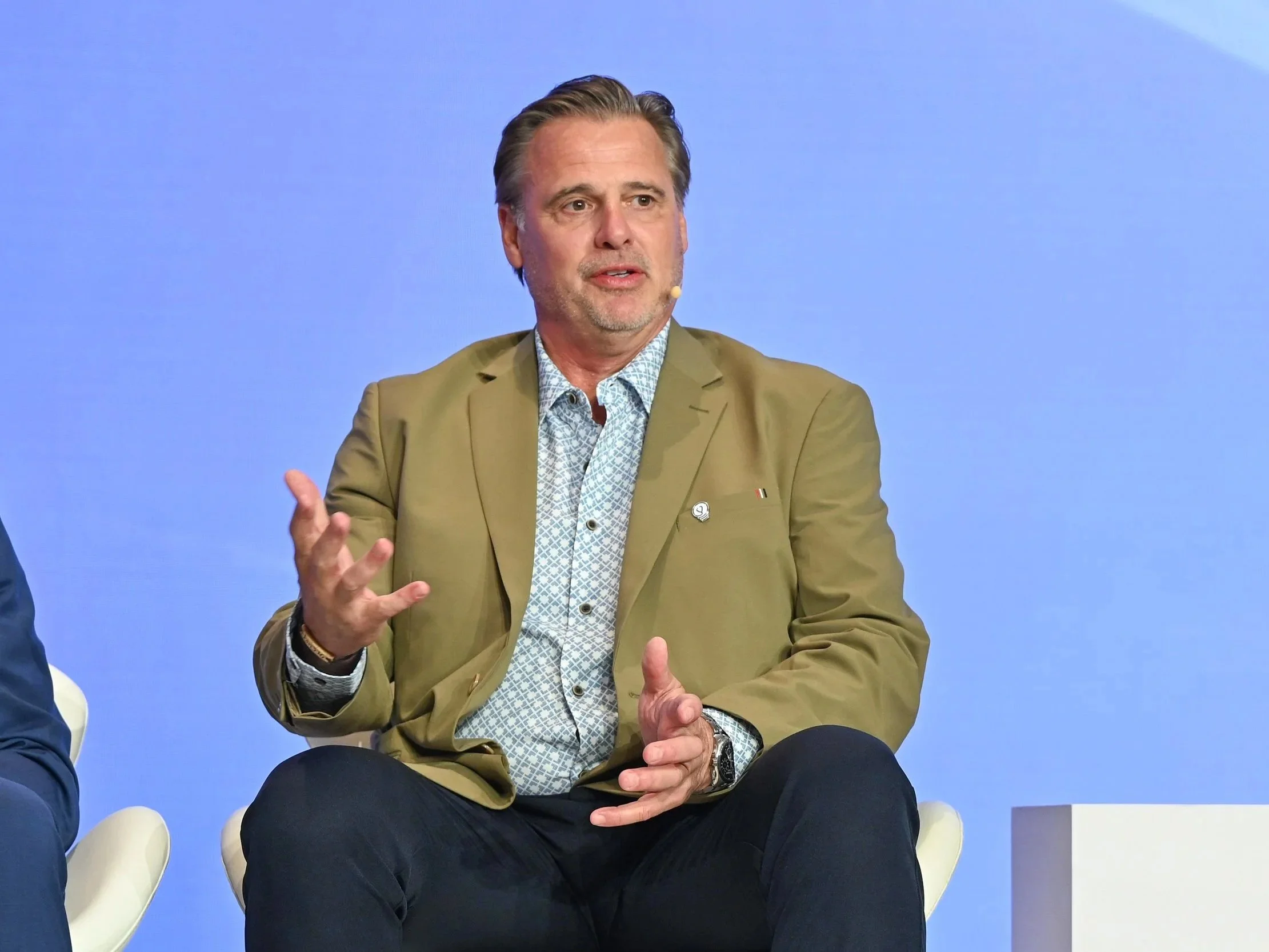
Dan Sands, Factor 7 Medical Managing Director, speaks about his experiences as a Founder
The Emotional and Financial Reality of Stepping Down
The panel’s most personal moments came from discussions about the emotional challenges of this change. One founder who had run his own company for a decade spoke about his journey of being a founder-CEO, then not, and then back again. He said that founders need to be humble and self-aware and understand that once they take on investors, "it's not your company anymore." He realized he didn't have the expertise for a new direction the investors wanted to pursue, so he willingly brought in a new CEO. While that change was difficult, it taught him the importance of being open to change to create value for shareholders.
Another founder shared an even more personal story from his time at a medical device company. He realized that for a mix of personal and professional reasons, he "knew my limitations" and was not the right person to take the company to its full potential. He made the active decision to find a new leader, even telling the candidate he wanted them to become his boss. He explained that this transition is emotional because a company is your "baby," the result of "3:00 in the morning you get up and you stare at the ceiling, kind of investment." But he warned against letting that emotion become irrational, emphasizing that the best-case scenario is a smooth change, not being "exited" by a frustrated board.
Making It About Performance, Not Personalities
The conversation also gave advice on how to have these difficult conversations. A new CEO who was about to take over from a founder said the key is to make it about data and performance, not personalities. "I think for us, we immediately took it not to be about us, but to be about the performance of the company," she said. By focusing on the shared goal of driving value for shareholders, they could have an honest conversation about who had the right skill set to achieve that goal.
The venture investor offered a similar, data-driven approach for strategic advisors. He suggested breaking down the CEO's job and identifying emerging "gaps" in their skills. While you can fill some gaps with other hires or board members, he warned against creating a "patchwork quilt" of solutions. "At some point, stop patching the leaks. Get a new boat," he advised, arguing that it's often more efficient for the company to bring in a new leader who is a better fit for the job's evolving demands.
Related Resources